
Stoneforge buys anchored, necessity-based shopping centers in the $3-20M range, all-cash, or seller-financed when the structure strengthens the deal, and operates them for income. No maximum-leverage bank debt. No rate exposure. No clock on closing. The strategy fits on a page; the discipline is in repeating it.
Grocery-anchored centers used to be a staple of institutional portfolios. A decade of fund-size inflation pushed allocators upmarket, and a wave of leveraged sponsors took the rest. The buyer pool changed. The buildings, and the weekly shopping trip, did not.
Every Stoneforge acquisition has to fit inside the box below. The rare exception goes to IC with a written memo explaining which line we're stretching and why.
We see roughly 400 deals a year. We close on a handful. The list on the right is most of the reason why.
The single biggest source of LP capital loss in real estate is optimistic underwriting. We start from the rent roll and the tax bill. Everything else has to defend itself.
The same structure on every deal. No senior debt, no mezz, no fund-of-funds intermediaries. You see exactly what you own and what we own next to you.
We hold for the cash flow first and the gain second. Most of our return comes from the quarterly distribution; the exit is the bonus, not the thesis.
Every Stoneforge asset rhymes with the next: a regional or national grocer on a long lease, a parking field that fills on a Saturday morning, and a tight ring of necessity-based co-tenants. The names change. The shape doesn't.
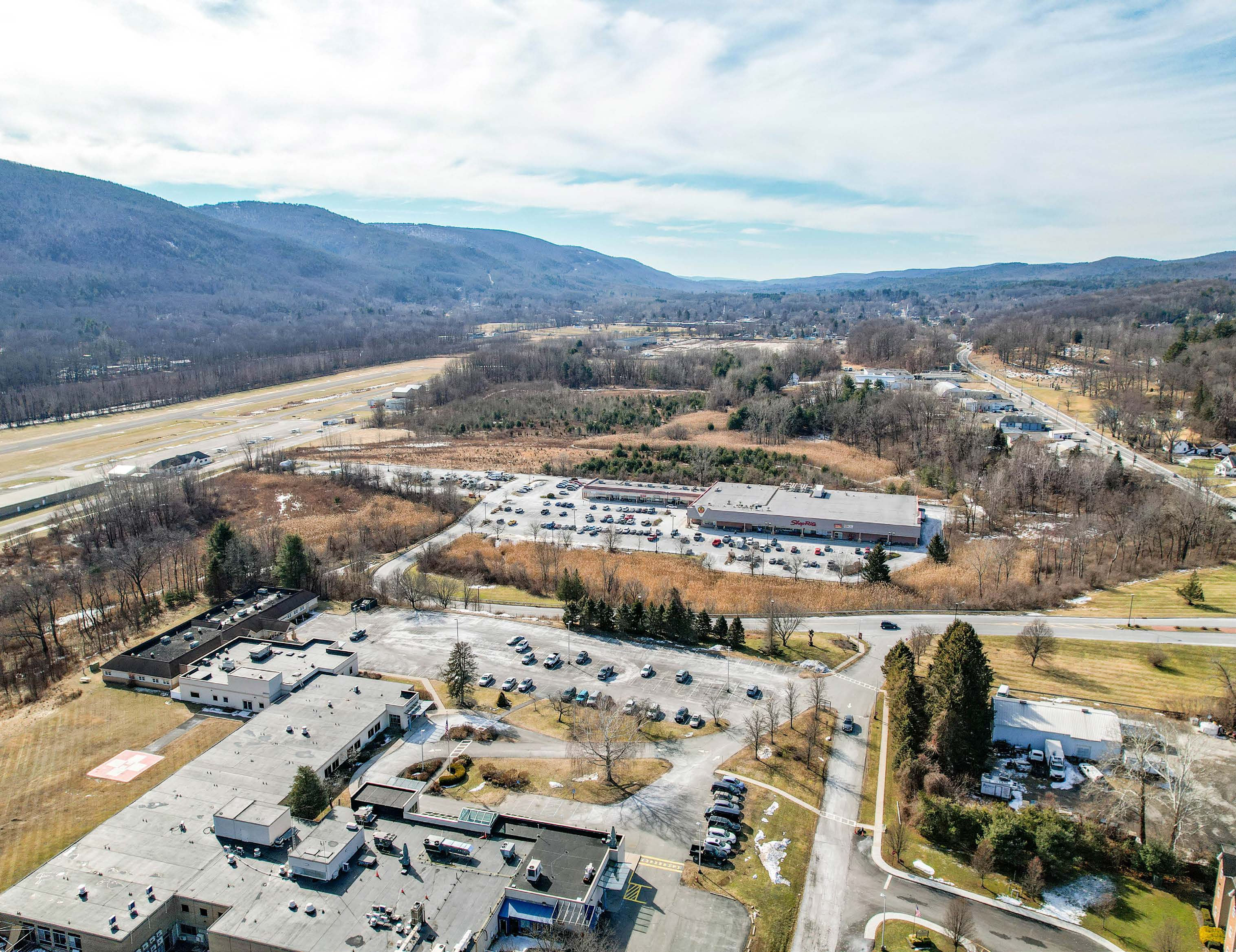
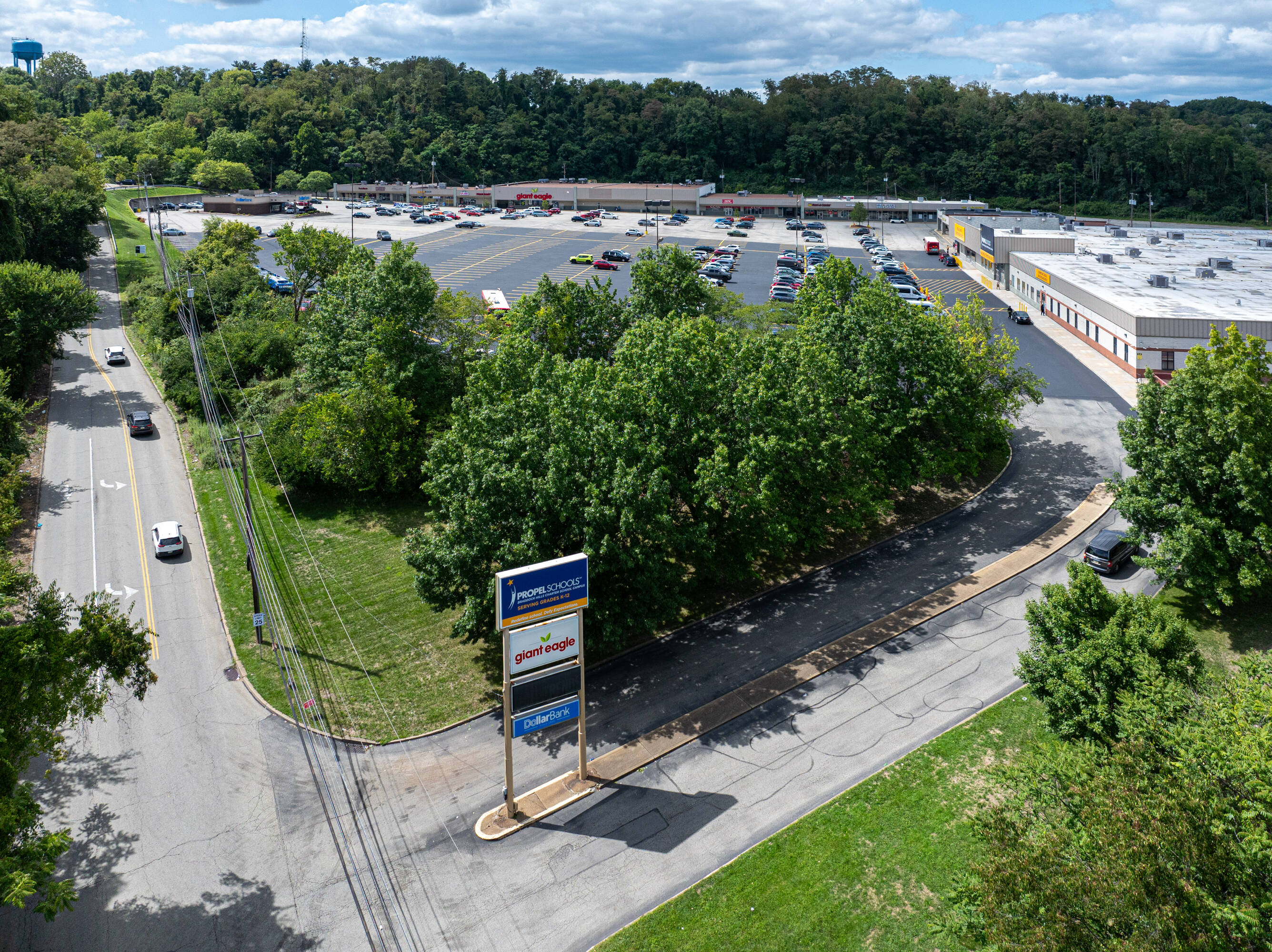
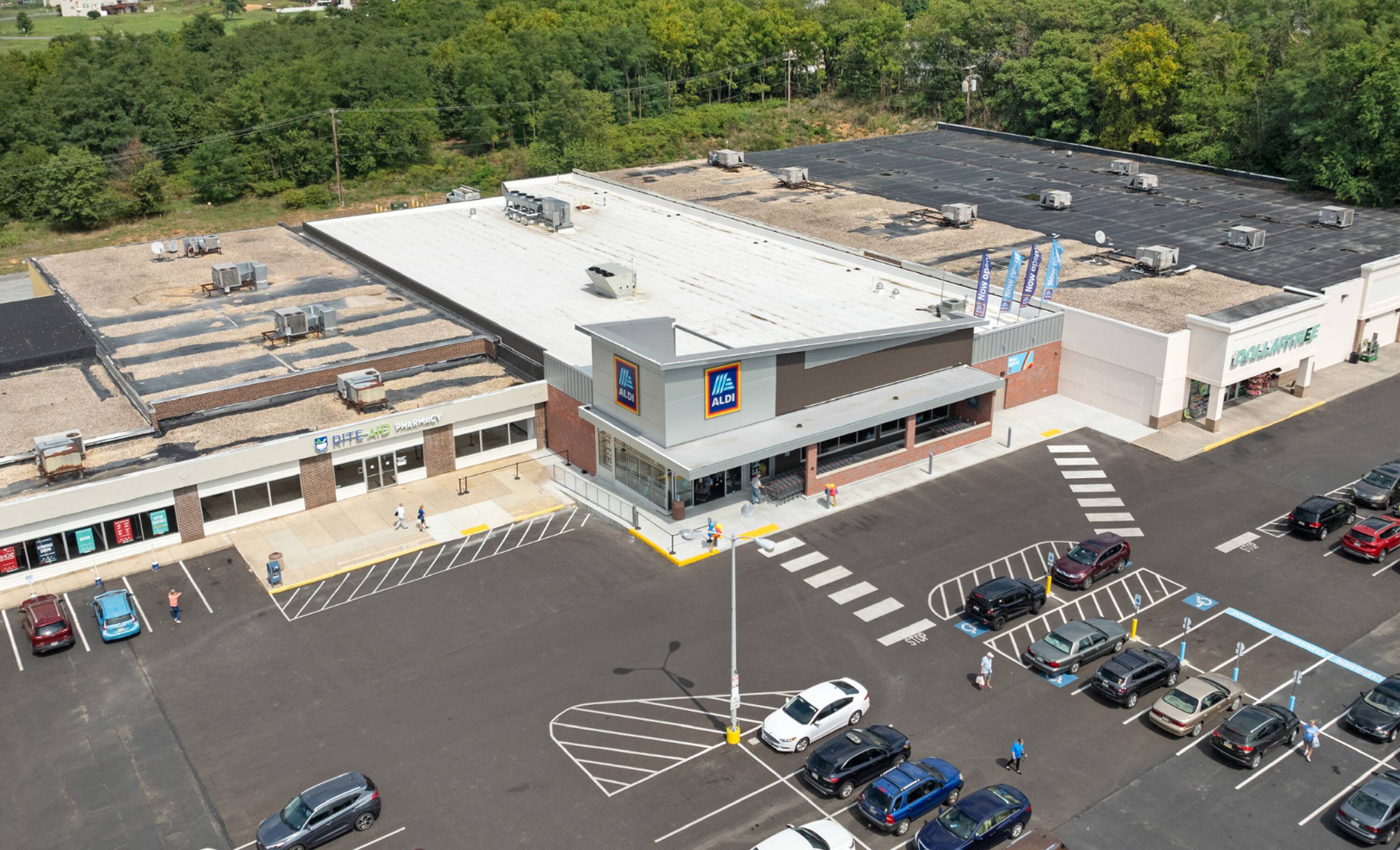
Conservatively structured returns look different than max-leverage ones, a steadier headline, but earned from cash flow, not from rate bets. We underwrite conservatively. These are targets, not promises.
Every Stoneforge deal passes through six tests before it ever reaches an investor inbox. Miss one, kill the deal.
№ 01
We'd rather miss a good deal than take a bad one.
№ 02
T-12 actuals only. We model what's collected, not pro-forma.
№ 03
All-cash or fixed-rate seller financing, income covering payments 2x+. Never floating, never a bank on the clock.
№ 04
Grocery, medical, services. Things people drive to in a rainstorm.
№ 05
5% manager equity in every deal. Our money sits next to yours from day one.
№ 06
Real-time portfolio visibility. No black boxes.
We'll send the current portfolio brief, a sample deal memo, and an invite to the next quarterly investor call.