
Twenty-six questions investors actually ask, accreditation, minimums, fees, distributions, taxes, and the risks that come with all of it. For the step-by-step process, see how investing works.

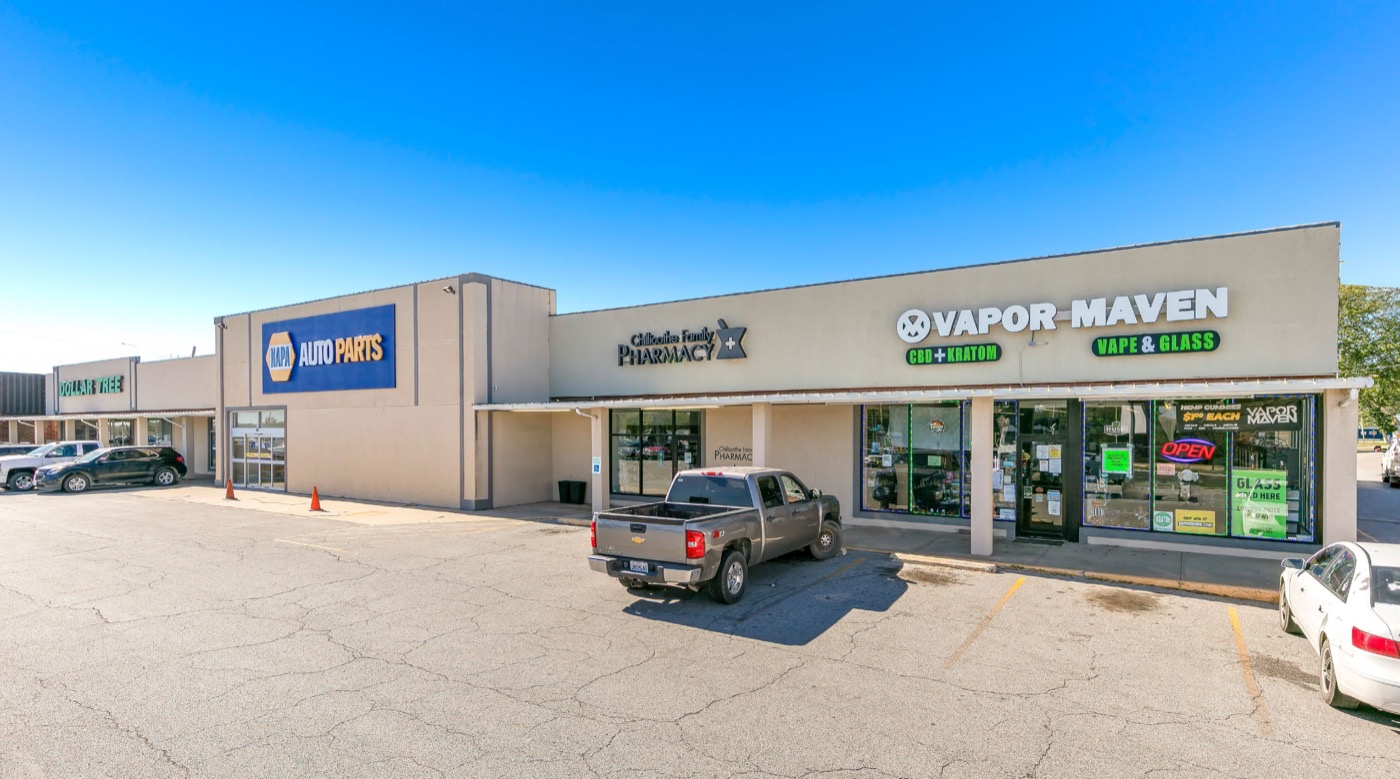
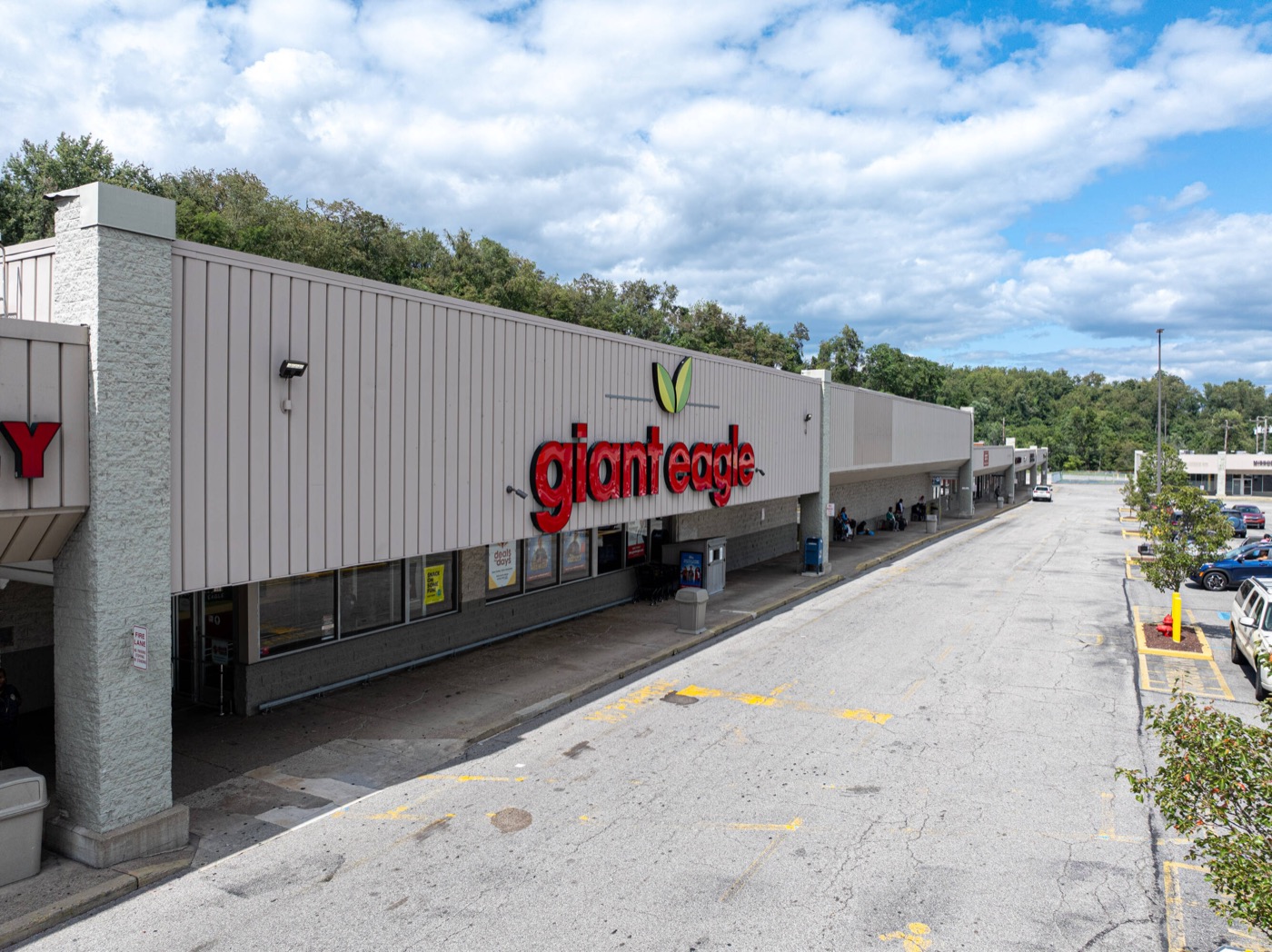
The asset class behind the answers: grocery-anchored centers, regional multi-tenant retail, and daily-needs strips.
Eligibility, minimums, and what actually happens when you raise your hand.
Accredited investors only. Our offerings are private placements under SEC Regulation D, Rule 506(c), which requires that every purchaser be a verified accredited investor. Generally, an individual qualifies with $200,000+ in annual income ($300,000 with a spouse) in each of the last two years, or $1 million+ in net worth excluding a primary residence. Certain professional licenses and entity tests also qualify.
The minimum investment is typically $50,000 per offering. The exact minimum for any offering is stated in its Private Placement Memorandum (PPM).
No. Reviewing our strategy, reading deal materials, joining the investor list, and talking with us require no paperwork at all. Verification enters the picture only when you decide to invest in a specific offering, it happens at subscription, near the end of the process, not the beginning.
Because we offer under Rule 506(c), federal rules require us to take reasonable steps to verify accredited status, self-certification alone is not enough. Verification is handled by an independent third-party service, usually takes about 10 minutes, and most investors complete it with a short letter from their CPA or attorney. Alternatively, the verifier can review income or asset documentation confidentially, Stoneforge never holds your tax returns.
Generally yes. Many investors participate through entities they control, family trusts, or self-directed IRA accounts (through their IRA custodian). Each path has its own qualification and tax considerations, so involve your advisors early, and tell us the intended vehicle up front so subscription documents are prepared correctly the first time.
Three doors, pick any: request the current investment deck, join the investor list for research and offering announcements, or schedule a call. There is no obligation at any step.
What we buy, where, and how deals get found and vetted.
Small-format, income-producing commercial real estate, beginning with multi-tenant, necessity-based retail (grocery, pharmacy, auto, services, daily needs) in secondary and tertiary growth markets. We acquire on in-place income with conservative underwriting rather than speculative development.
Three reasons. First, e-commerce resistance: you cannot download a haircut, a prescription pickup, or a brake job, so these tenants kept paying rent through the retail apocalypse headlines. Second, visit frequency: customers come weekly, which supports tenant sales and renewals. Third, recession behavior: in downturns, consumers trade down to discount grocers and dollar stores, into our tenant base, not away from it.
Because the tenant credit is national but the price is local. A county-seat strip center can hold the same Dollar Tree or NAPA that a coastal metro center does, at a meaningfully higher capitalization rate, simply because fewer institutional buyers compete there. We would rather own durable national tenancy at a small-market price than bid against institutions for trophy assets.
We favor all-cash and seller-financed structures over bank leverage. That is deliberate: no lender, no refinancing risk, no loan maturity forcing a sale at the wrong moment. When seller financing is used, it is negotiated directly, at fixed terms, with conservative coverage. The capital structure for any offering is disclosed in its PPM.
A screening pipeline we built in-house reviews thousands of net-lease and shopping-center listings on a continuous basis, filtering for our buy criteria before a human ever looks. The short list gets full underwriting, rent roll, lease audit, expense recovery, market study, and we pursue only a handful. Discipline at the top of the funnel is most of the risk management.
No, and be wary of sponsors who always do. We raise capital deal by deal, only when a property clears underwriting. Between offerings, the investor list receives research and pipeline updates, and list members hear about new offerings first.
How ownership, fees, and distributions actually work.
Deal by deal. Each property is held in its own limited liability company; investors purchase membership interests in that entity, with liability limited to the investment. Distributions are paid pro-rata with no sponsor promote, and the sponsor invests its own capital alongside investors in every offering. Final terms live in each offering's PPM and operating agreement.
Every fee is disclosed line-by-line, in dollars, in each offering's PPM, no burying, no vagueness. Structurally, we do not take a promote: there is no waterfall where the sponsor's share of profits outruns its share of capital. Fees are sized to cover the work of acquiring and managing the asset, and the sponsor's return comes primarily from its own invested capital, pro-rata, exactly like yours.
Our target is quarterly cash distributions from property operations, paid pro-rata to all members. Distributions are never guaranteed, they depend on property performance and the reserves the asset genuinely needs. We hold reserves before we pay distributions, not after.
We publish underwritten projections for each specific offering, with the assumptions and sensitivity tables that produced them, rather than advertising blanket return numbers here. Two principles govern every projection we issue: we underwrite on in-place income, treating upside as upside rather than the base case, and projections are estimates, not promises. Any sponsor quoting returns without assumptions attached is marketing, not underwriting.
It means Stoneforge's own capital is invested in every deal, in the same securities, on the same pro-rata terms as yours. It is the oldest alignment mechanism there is: if the deal underperforms, we lose money beside you. Ask any sponsor, including us, exactly how much of their own money is in the deal.
K-1s, depreciation, and what you'll actually hear from us.
Each offering entity files a partnership return and issues you a Schedule K-1 annually, reflecting your share of income, deductions, and depreciation. Real estate's depreciation treatment often shelters a meaningful portion of distributions from current tax, but every situation differs, so involve your CPA.
We target delivery ahead of standard filing deadlines. Honestly stated: K-1 timing depends on property-level accounting being closed, and in some years partnerships industry-wide run tight against the deadline. If timing will be late enough to matter for your filing, we tell you early rather than letting you discover it in April.
Clear, usable reporting is one of our core commitments: regular updates covering occupancy, collections, expenses against budget, and progress on the business plan, plus the annual K-1. The test we hold ourselves to: you should always be able to answer 'what is my capital doing?' without having to call us. Though you can always call us.
Yes, and we encourage it. Send your advisors the PPM and operating agreement, and put them directly in touch with us. Good sponsors welcome professional scrutiny; the ones who discourage it are telling you something.
The honest section. Read it before anything else.
All real estate investing involves risk, including possible loss of principal. The big ones here: tenant vacancy and non-renewal, local market deterioration, illiquidity of the interests, expense inflation outrunning gross-lease rents, and actual results differing from projections. Every offering's PPM contains detailed risk factors specific to that property, read them before investing, not after.
Plan on a 3-5 year hold per investment, and treat that as a floor, not a ceiling, market conditions can extend a hold, and a forced sale into a bad market is how paper losses become real ones. Invest only capital you will not need during the hold period.
Generally no. There is no public market for these interests, and transfers are restricted by both the operating agreement and securities law. Limited exceptions (such as transfers to family trusts) may exist per the operating agreement, but you should treat the investment as fully illiquid for the entire hold.
If an offering does not complete, for example, the acquisition falls through in diligence, subscription funds are returned to investors as provided in the offering documents. We would rather kill a deal in diligence than close a bad one; a returned subscription is a feature of discipline, not a failure.
No. Nothing about it is guaranteed, not distributions, not projections, not return of principal. No legitimate sponsor can guarantee investment results, and anyone who implies otherwise should lose your attention immediately. What we can promise is process: conservative underwriting, disclosed terms, aligned structure, and honest reporting.
Still have a question?
Ask it directly, on a call, by email, or through your advisors. Direct questions get direct answers; that's the whole point of this page.
This page is for general information only and is not an offer to sell or a solicitation of an offer to buy securities, nor investment, legal, or tax advice. Securities are offered only through Regulation D 506(c) private placements to verified accredited investors; final terms are set forth in each offering's Private Placement Memorandum.
We'll send the current portfolio brief, a sample deal memo, and an invite to the next quarterly investor call.